IKEA Hacks: Best Ideas by Room + How to Start (2026 Guide)
May 8, 2026
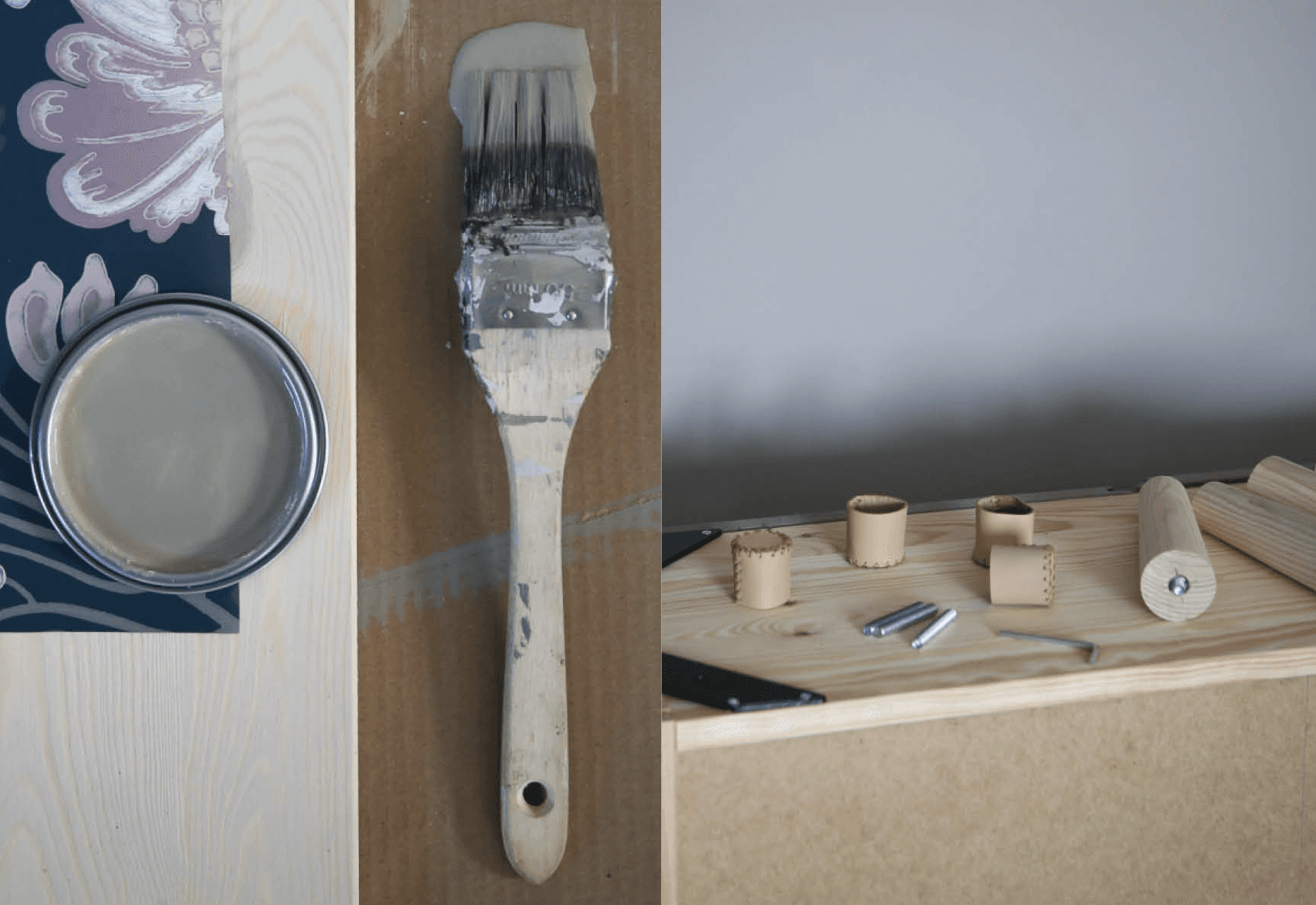
An IKEA hack is one of the simplest ways to change how your home feels without replacing the furniture you already own. Instead of starting from scratch, you take something standard and adapt it to better suit your space, your needs, and your style.
That could mean repainting a cabinet, changing the legs on a dresser, updating the handles, or adding panels to create more texture and depth. In some cases, it might involve combining multiple units or building something into a wall to make it feel fully integrated. The scale can vary widely, but the idea stays the same. You start with a simple base and make it more intentional.
This flexibility is exactly why IKEA furniture hacks have become so widely used. IKEA pieces are designed to be functional and accessible, with clean lines and modular systems that are easy to adapt. They provide a starting point rather than a finished statement, which makes them ideal for customization.
Instead of replacing furniture when your needs change, you can improve it. A small update can shift the proportions of a piece, change how it interacts with the rest of the room, or make it feel more aligned with your style. Over time, those small changes can completely reshape how a home feels.
In this guide, we’ll go through what IKEA hacks actually are, why they have become so popular, which IKEA pieces are most commonly used, and how different rooms benefit from different types of upgrades. You’ll also find a clear step-by-step approach to getting started, along with practical tips that make the process easier.
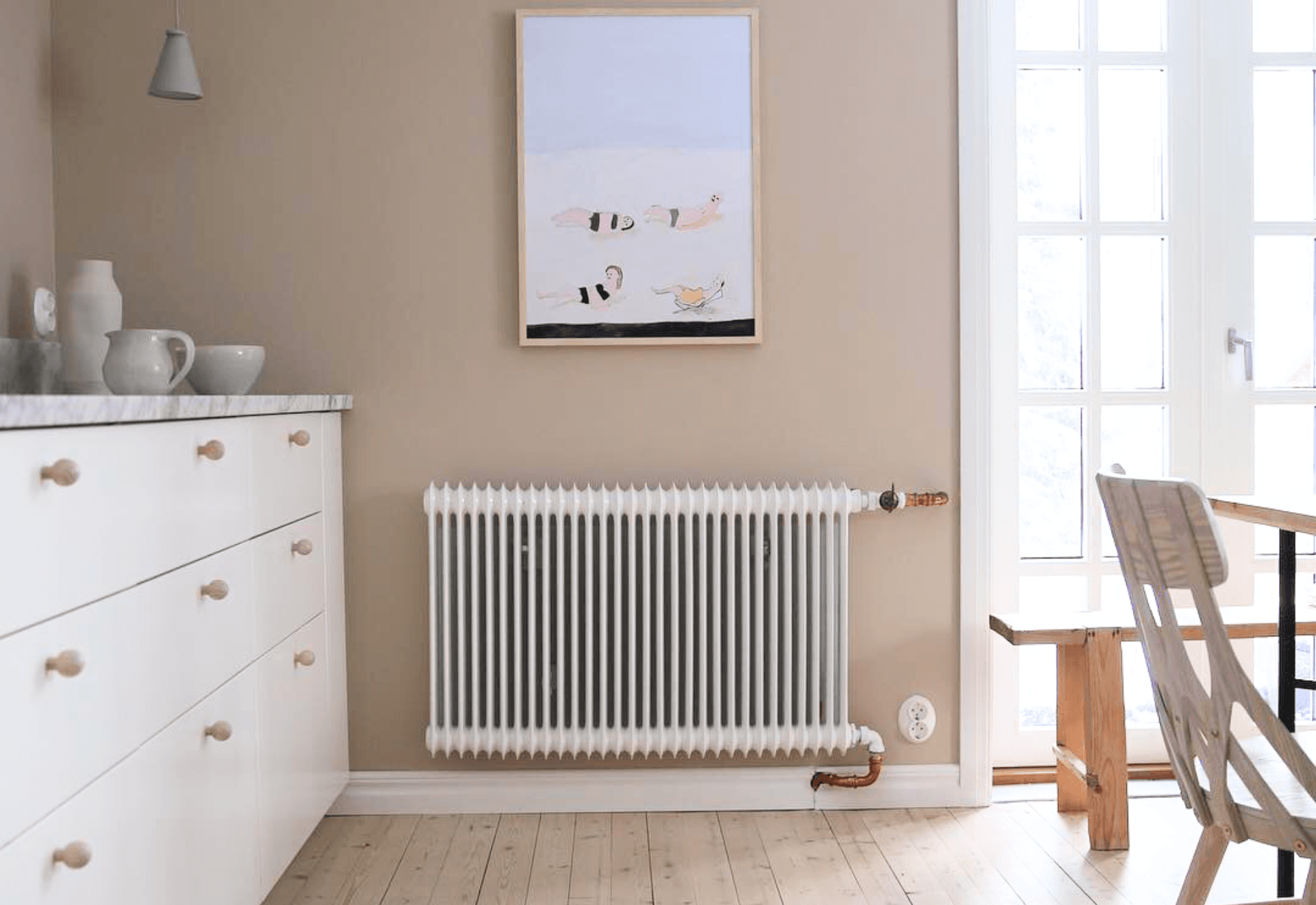
What Exactly Is an IKEA Hack?
At its core, an IKEA hack is any modification that changes how an IKEA product looks, functions, or fits into your home. The change does not have to be dramatic. In many cases, the most effective transformations are the simplest ones.
A basic chest of drawers might feel completely different once it is lifted on legs. A flat wardrobe can take on a more architectural look with the addition of panels or moulding. Even something as small as changing the handles can shift the style from minimal to classic or from neutral to expressive.
What makes IKEA furniture particularly suited to this kind of transformation is its simplicity. The designs are intentionally neutral. That neutrality makes it easier to adapt the furniture rather than work around it.
Some people approach IKEA DIY ideas as creative projects, while others see them as practical solutions to specific problems. A desk might need to fit an awkward corner. A wardrobe might need to feel built-in. A storage unit might need to match the rest of the room more closely. In all these cases, the hack is not just decorative. It is functional.
Types of IKEA Furniture Hacks
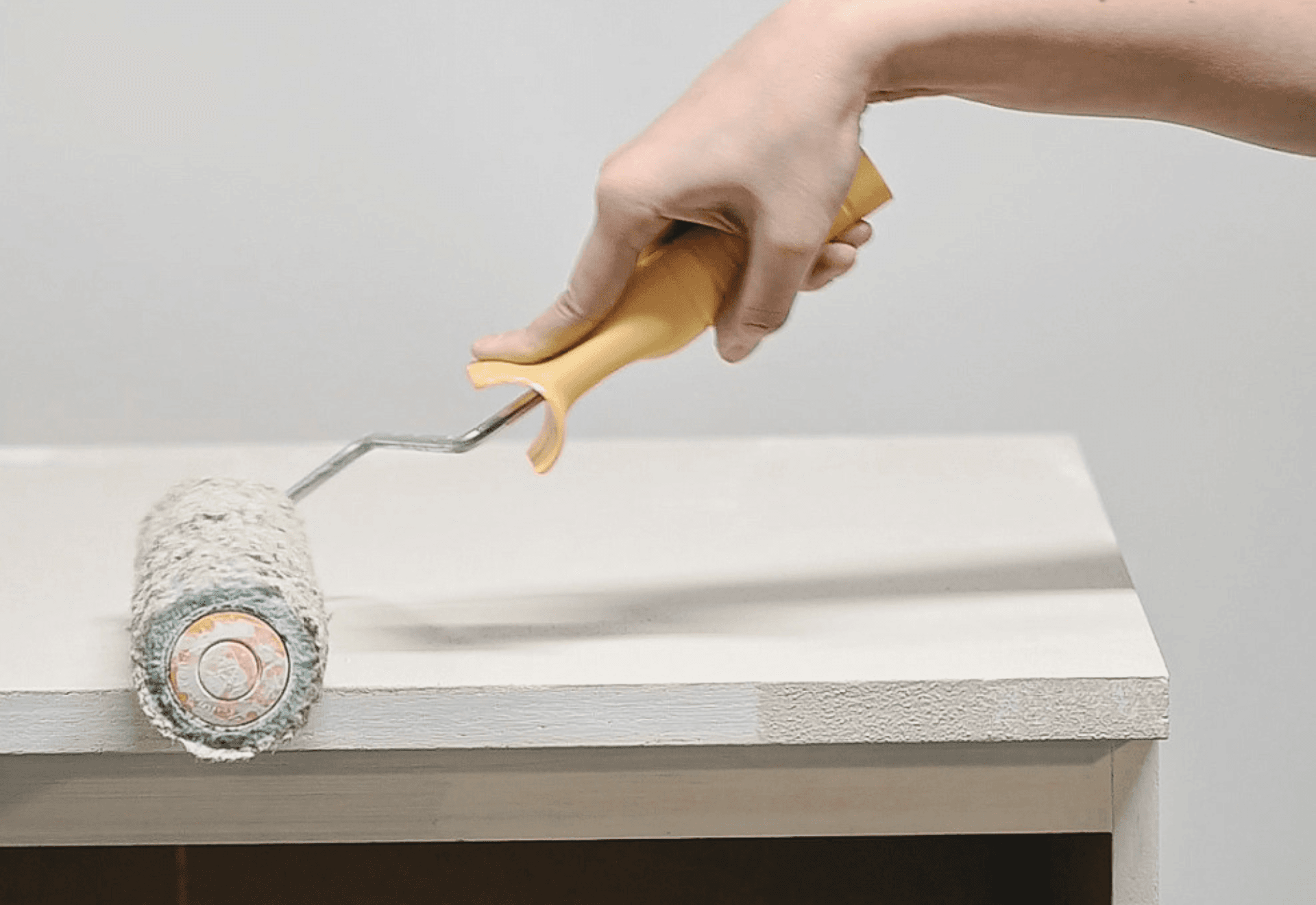
Paint and finish hacks
One of the most common ways to customize IKEA furniture is by changing the surface. Painting, staining, or applying a textured finish can completely transform a piece without altering its structure.
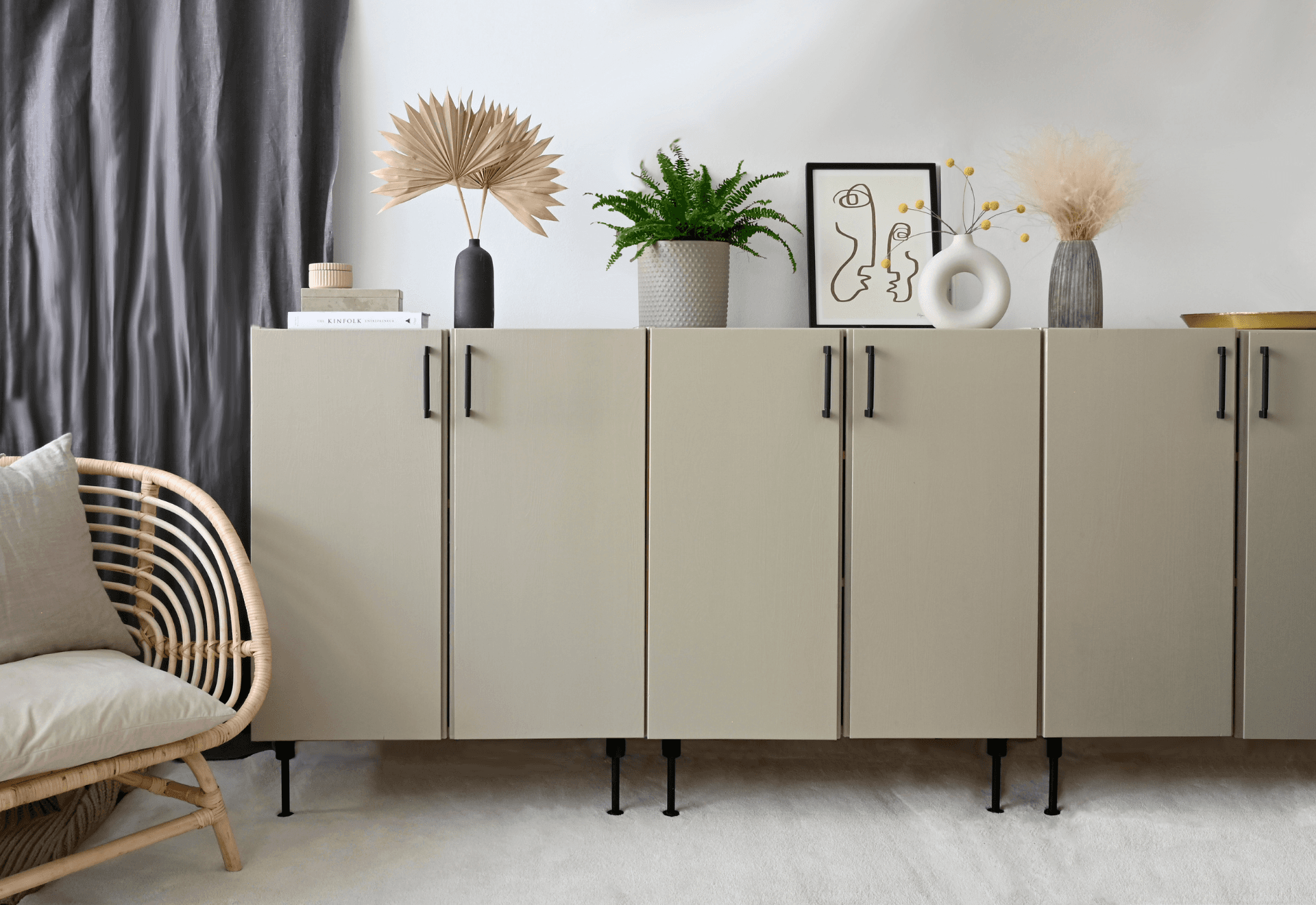
Flat-pack furniture often comes in neutral finishes that are designed to work in many environments. While that makes them versatile, it can also make them feel somewhat generic. Changing the colour allows the furniture to connect more clearly with the rest of the room. A cabinet painted in the same tone as the wall can feel more integrated, while a contrasting colour can turn it into a focal point.
Textured finishes are also becoming more common. Limewash, brushed effects, and matte paints can soften the appearance of flat surfaces and add depth. These changes are relatively simple to execute but have a strong visual impact.
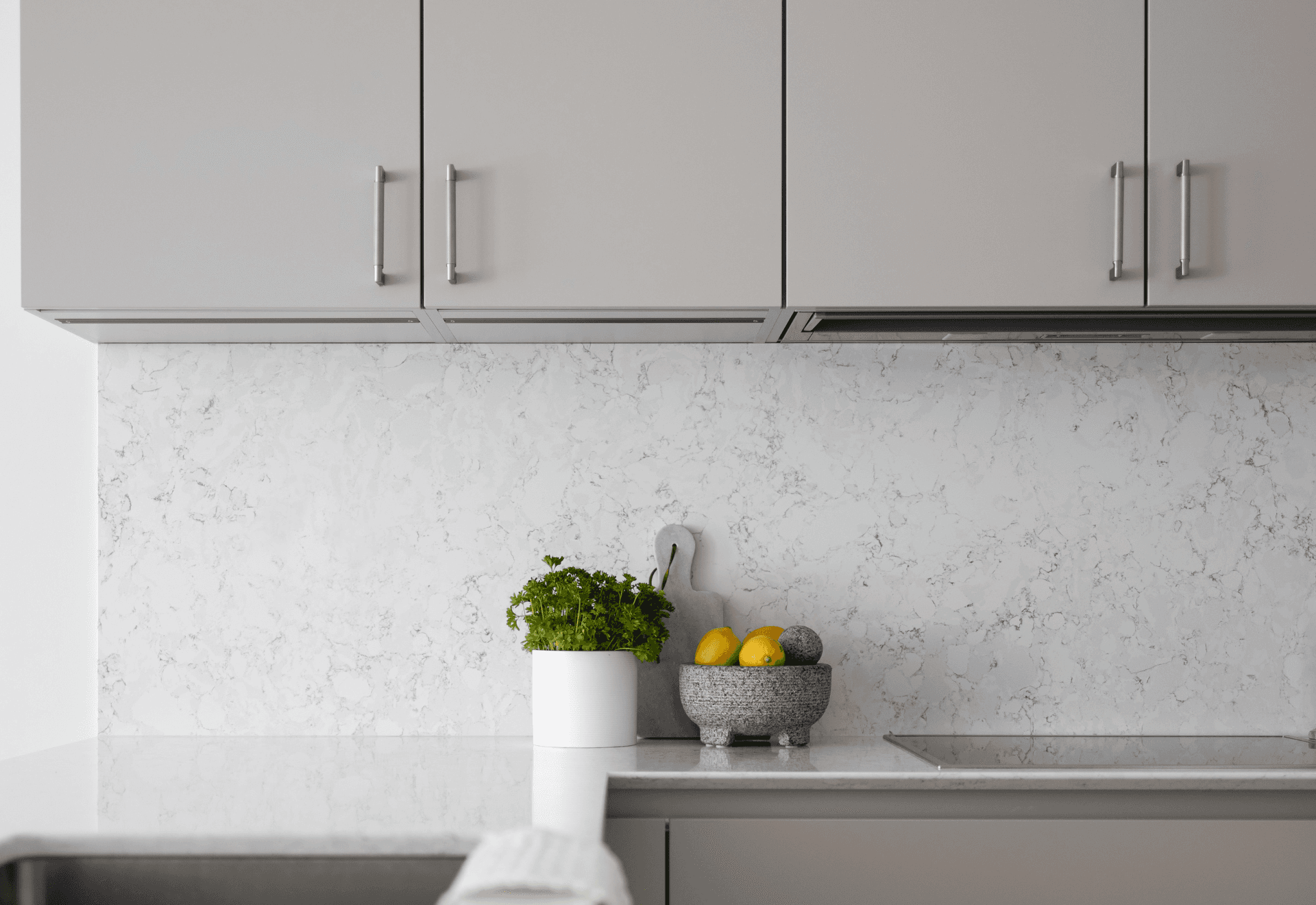
Hardware hacks
Hardware updates are often the most accessible starting point. Swapping knobs, handles, or legs can be done quickly, requires minimal tools, and has an immediate effect.
The reason this works so well is that these small elements influence how we perceive the entire piece. Legs change proportions. Handles affect how the furniture interacts with the user. Together, they shape the overall impression.
Most IKEA furniture uses standardized fittings, such as M8 threads or compatible mounting plates. This makes it easier to replace parts without needing to modify the structure. It is one of the reasons hardware upgrades have become such a popular entry point.
This is also where brands like Prettypegs naturally fit in. Their products are designed specifically to match IKEA dimensions and fittings, which removes a lot of uncertainty from the process. Instead of trying to adapt generic hardware, you can use components that are already designed to work with the furniture.
Structural hacks
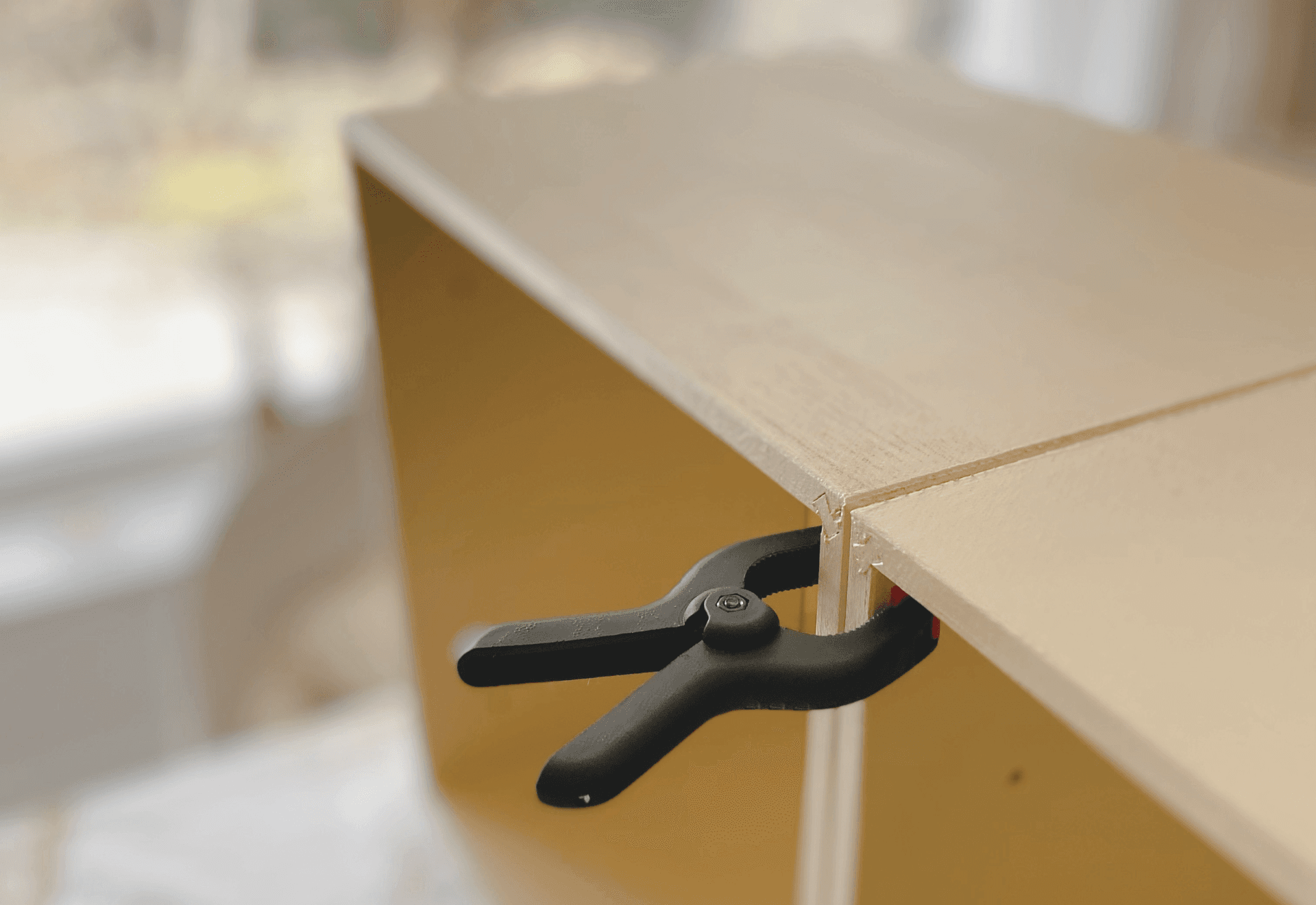
Structural IKEA hacks involve changing how the furniture is built or assembled. These projects require more planning, but they often produce the most dramatic results.
Examples include combining multiple cabinets into one larger unit, building storage into an alcove, or modifying the dimensions of a piece to fit a specific space. In many homes, these types of hacks are used to create built-in storage that would otherwise be much more expensive to achieve.
What makes these transformations effective is not just the scale, but the intention behind them. When furniture is adapted to fit a space precisely, it starts to feel less like something that was added later and more like part of the architecture.
Styling hacks
Not all IKEA hacks involve tools or structural changes. In many cases, the transformation comes from adding surface details.
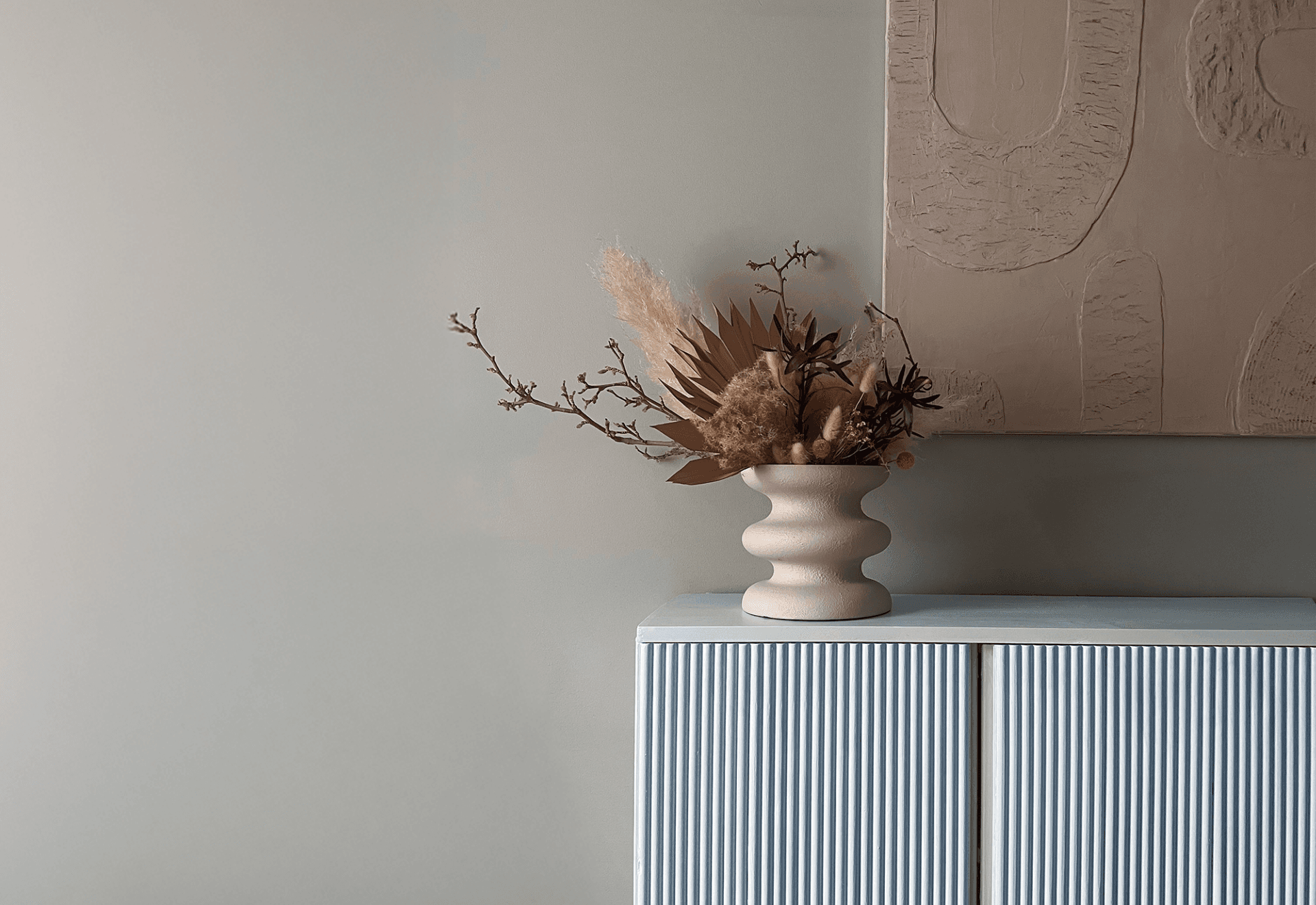
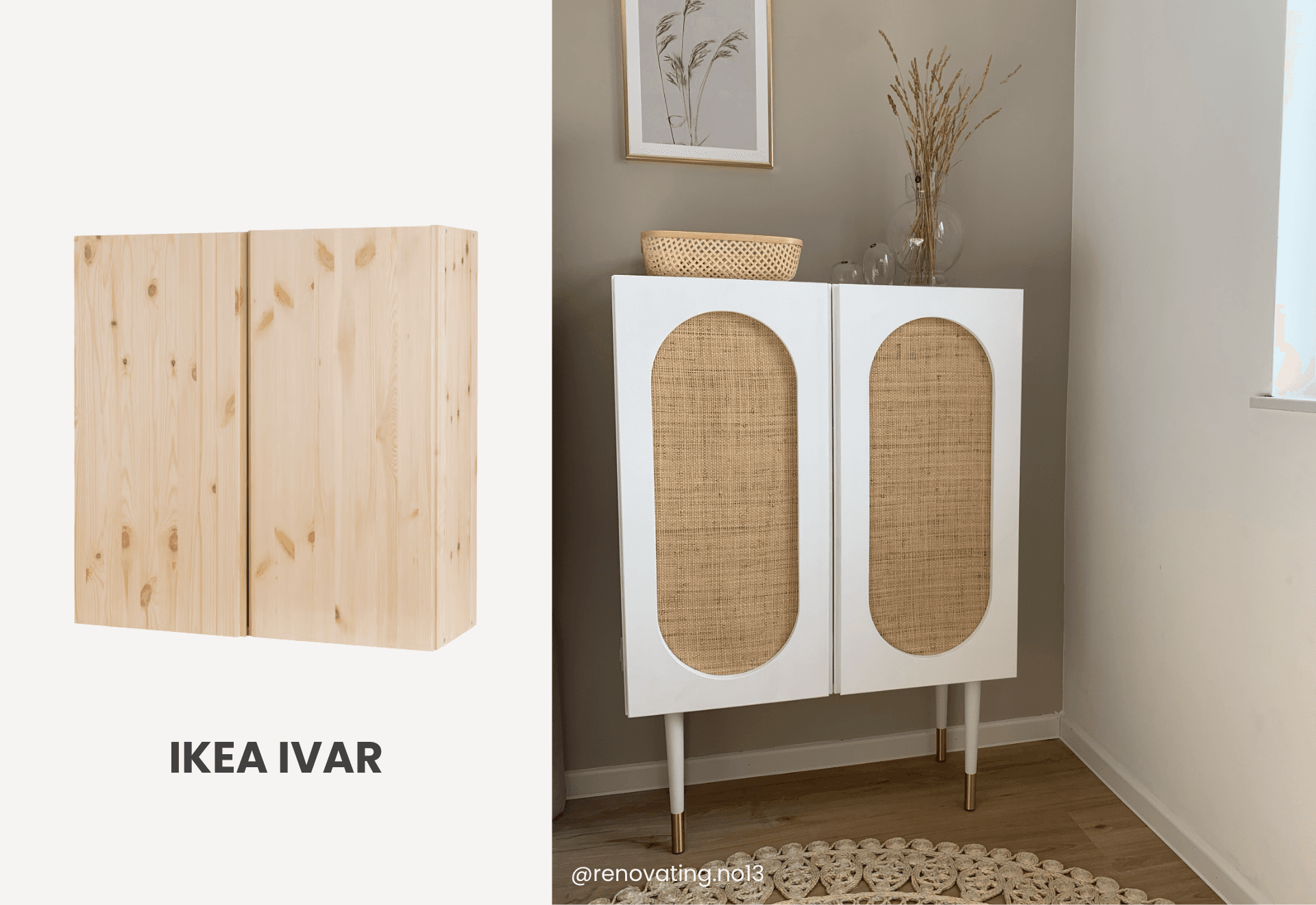
Decorative panels, moulding, wallpaper inserts, and woven materials like cane can all change how a piece feels without altering its structure. These elements add texture and visual interest, which helps break up the flat surfaces typical of flat-pack furniture.
Styling also plays a role in how the finished piece is perceived. Lighting, textiles, and surrounding décor can reinforce the transformation and make it feel complete.
Why IKEA Hacks Became So Popular
IKEA hacks have evolved from a niche DIY trend into a widely recognized approach to interior design. One of the early platforms that helped spread the concept was IKEA Hackers, where people began sharing creative modifications of IKEA products.
Over time, social platforms amplified these ideas. What was once a collection of individual projects became a shared visual language. People began to recognize certain pieces not just for what they were, but for what they could become.
A short history of IKEA hacking
The reason IKEA hacks spread so quickly is simple. People saw the same furniture appearing in homes everywhere and wanted a way to make it feel more individual.
IKEA provided the base. The internet provided the inspiration.
What started as a way to share clever DIY ideas gradually evolved into its own design culture. Today people search for hacks not only to save money, but also to create wardrobes that look built in, desks that fit awkward corners, and storage that feels much more custom than the original flat-pack version.
Why IKEA furniture is easy to customize
There are several reasons why IKEA furniture lends itself so well to customization.
First, the designs are intentionally simple. Clean lines make it easier to apply changes without conflicting with existing details. Second, many IKEA systems are modular. Pieces like BILLY, PAX, KALLAX, and BESTÅ are designed to be combined, which allows for more complex configurations.
Third, the price point lowers the barrier to experimentation. People are more willing to modify furniture when the initial investment is relatively low. Finally, standardized fittings make it easier to replace components such as legs or handles.
A quick note on warranty and safety
According to IKEA, modifications may affect the warranty, especially if they involve structural changes. This does not prevent people from customizing their furniture, but it highlights the importance of planning carefully before making permanent adjustments.
The Best IKEA Pieces to Hack
Some IKEA products appear repeatedly in DIY projects because they offer the right balance of simplicity, functionality, and adaptability.
BILLY
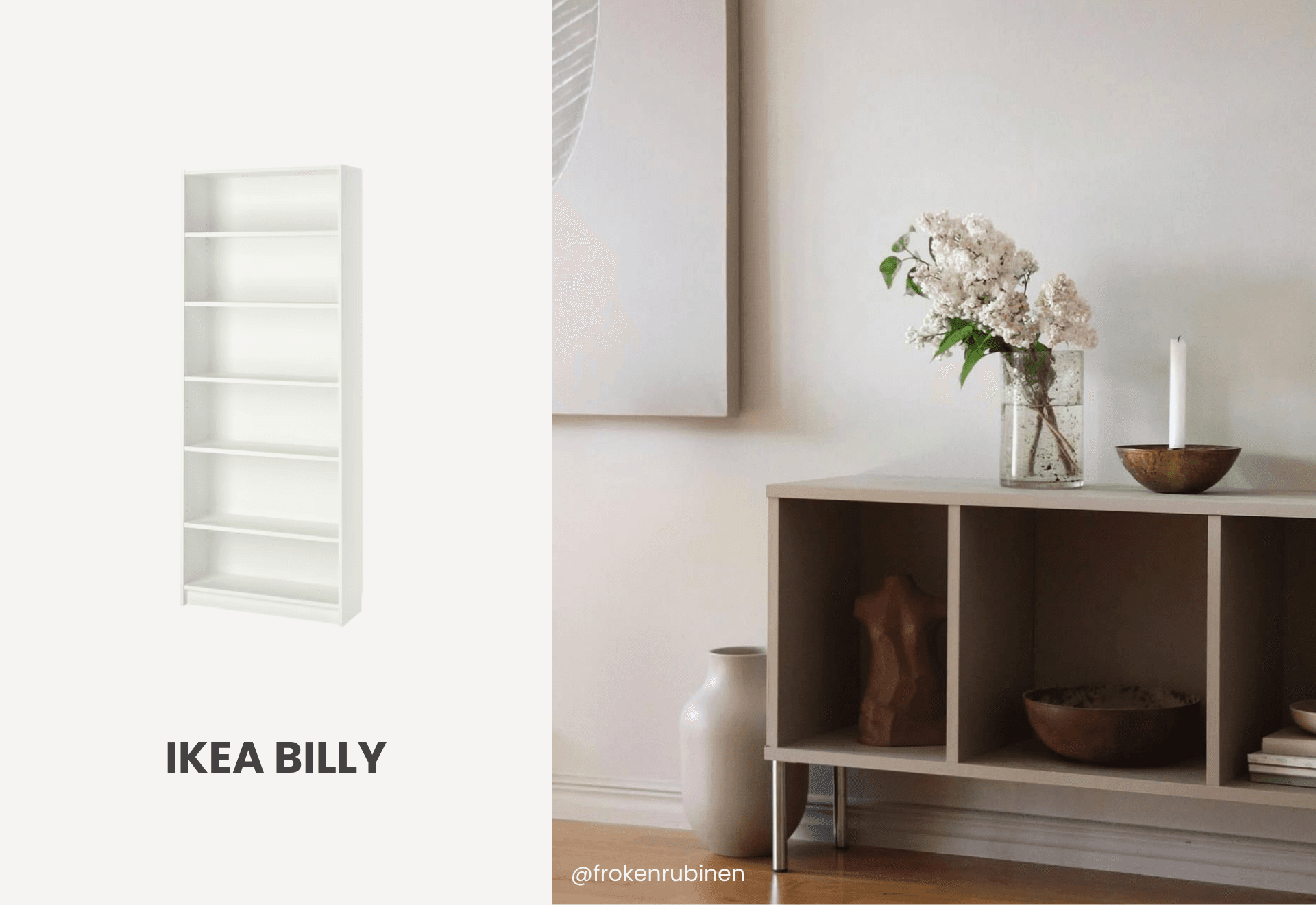
The BILLY bookcase is one of the most widely used starting points. Its proportions make it easy to repeat across a wall, which is why it is often used to create built-in library-style storage.
KALLAX
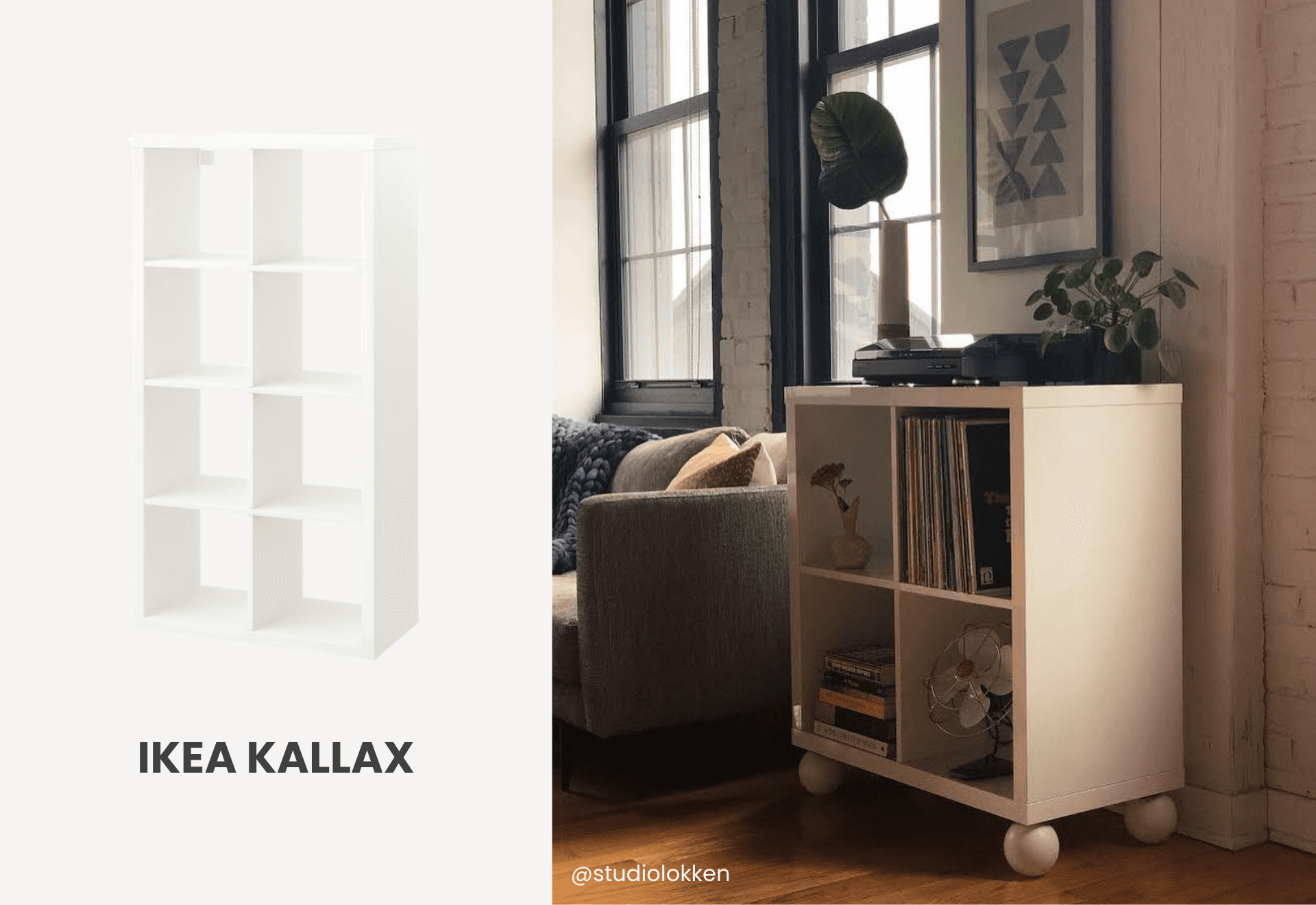
KALLAX is known for its flexibility. It can function as shelving, seating, storage, or even a room divider. Its grid structure makes it particularly adaptable, and it works well both vertically and horizontally.
IVAR
IKEA IVAR cabinet stands out because it is made from solid wood. This makes it especially suitable for painting, sanding, and modifying.
IVAR is often used in kitchens, storage areas, and living spaces. Its simplicity allows it to adapt to many different styles, from minimal to more decorative setups.
LACK
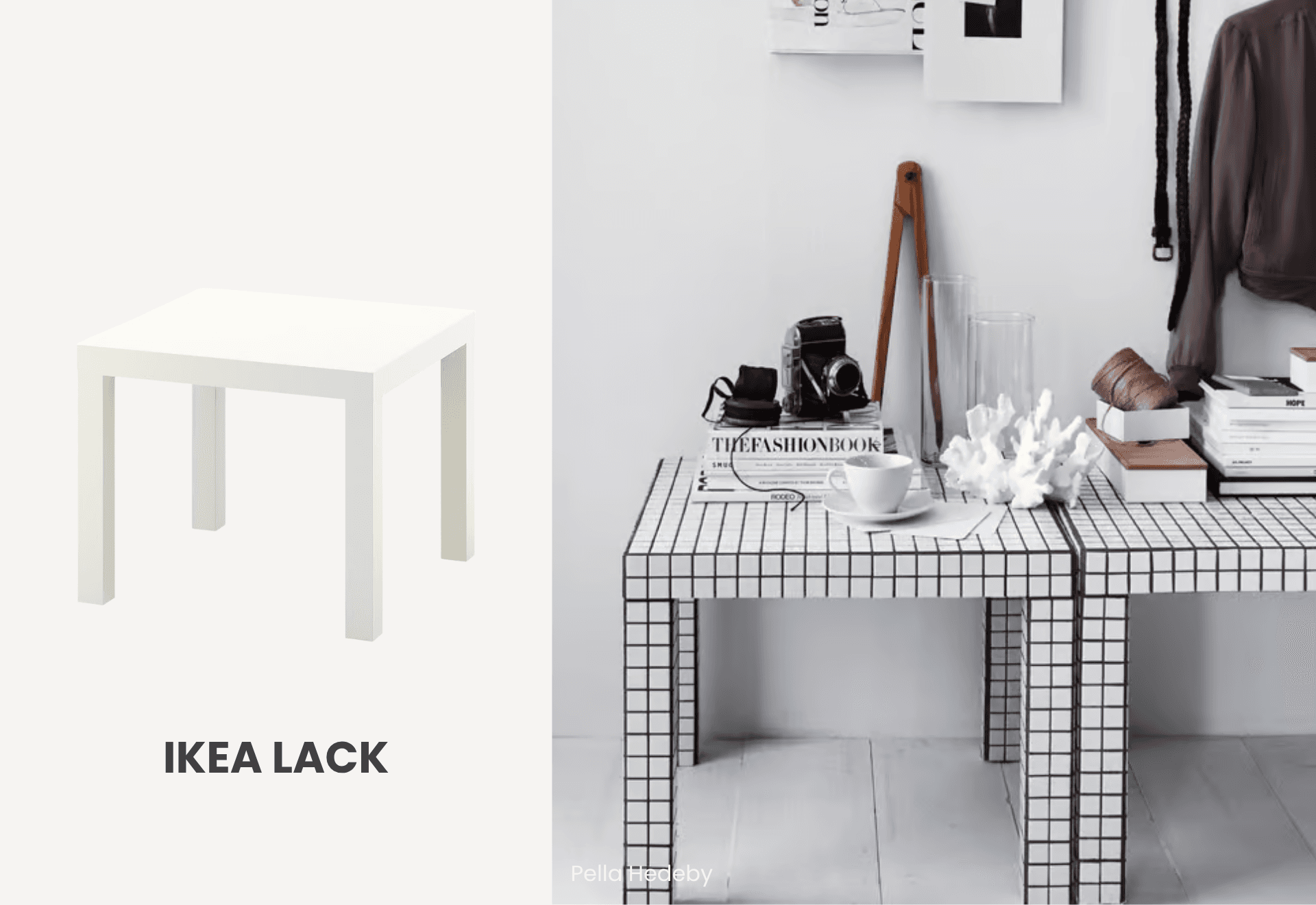
LACK furniture is popular for smaller projects. The pieces are lightweight, simple, and easy to transform into bedside tables, stacked side tables, floating shelf systems, or TV units.
PAX
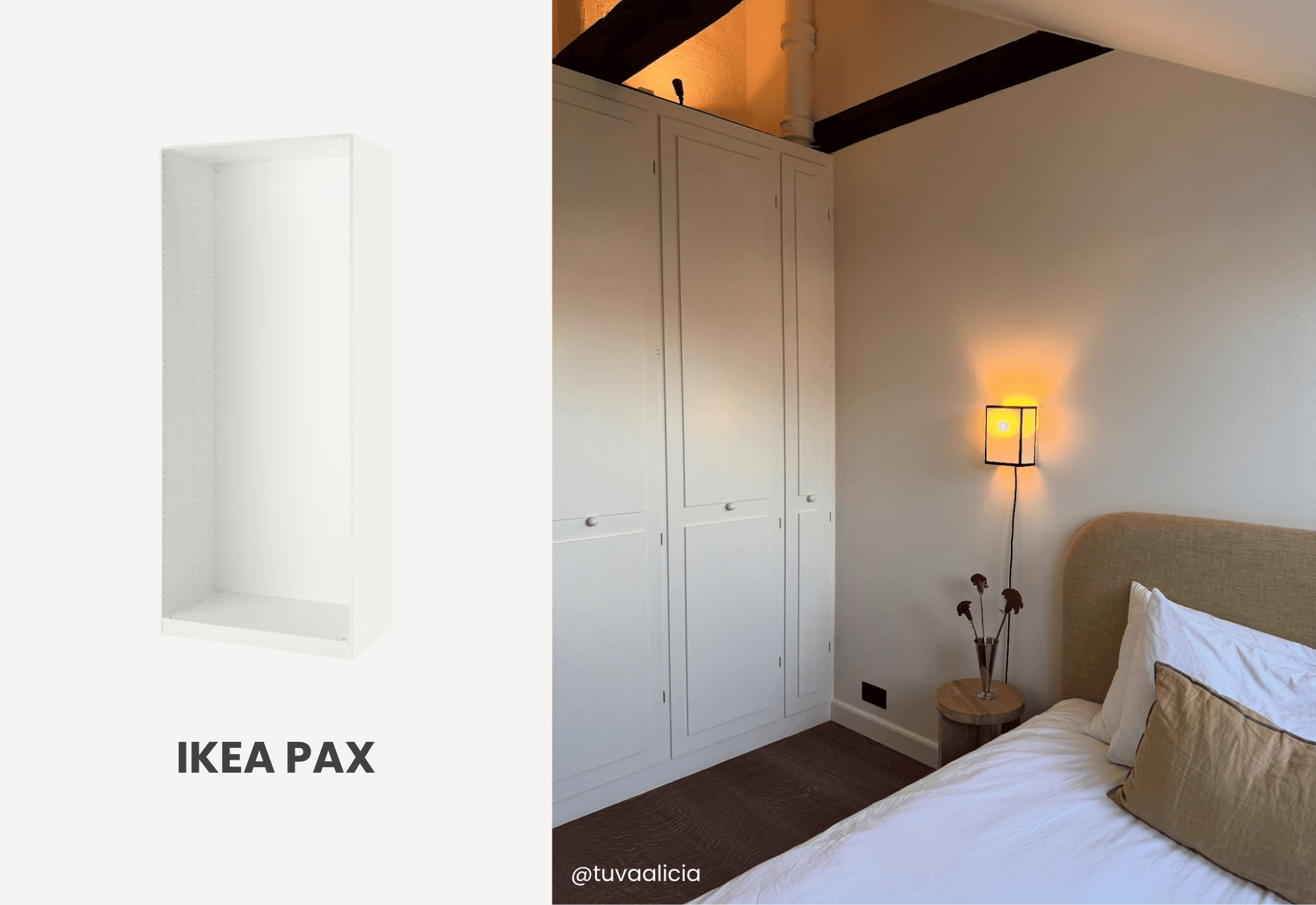
PAX is one of the most powerful systems for larger transformations. It is frequently used to create wardrobe walls that feel built-in.
Adding trim, panels, and colour can make PAX blend seamlessly into the room, while adjustments to the base can help control height and proportions.
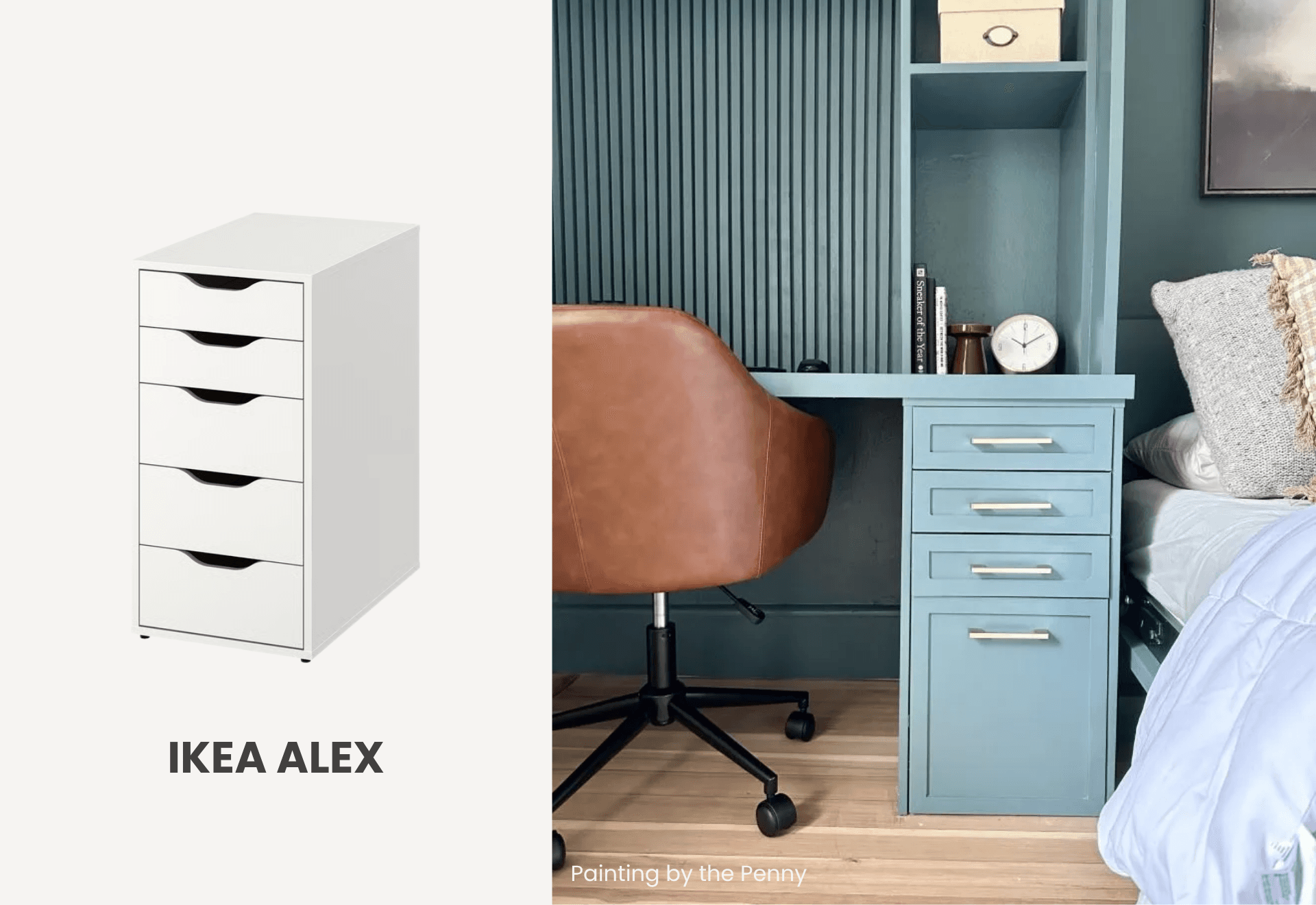
ALEX and desk setups
Desk hacks are one of the most common IKEA DIY ideas. Many workspaces begin with a tabletop combined with drawer units, then evolve with shelving, cable management, and wall storage.
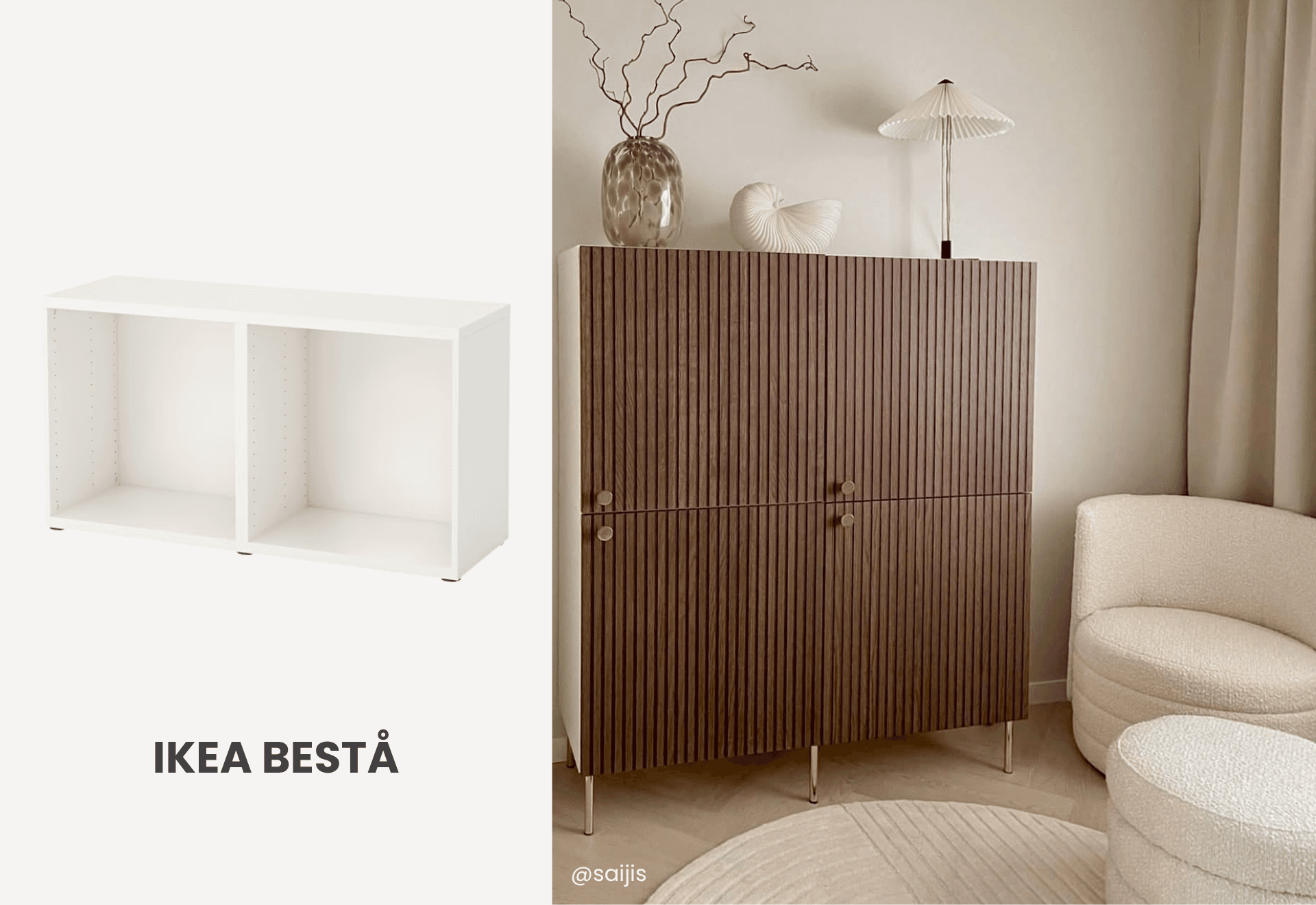
BESTÅ
IKEA BESTÅ is commonly used for media units and low storage. Its clean lines make it a strong base for customization.
Adding legs is one of the simplest upgrades. It changes how the piece interacts with the floor and makes it feel more like standalone furniture.
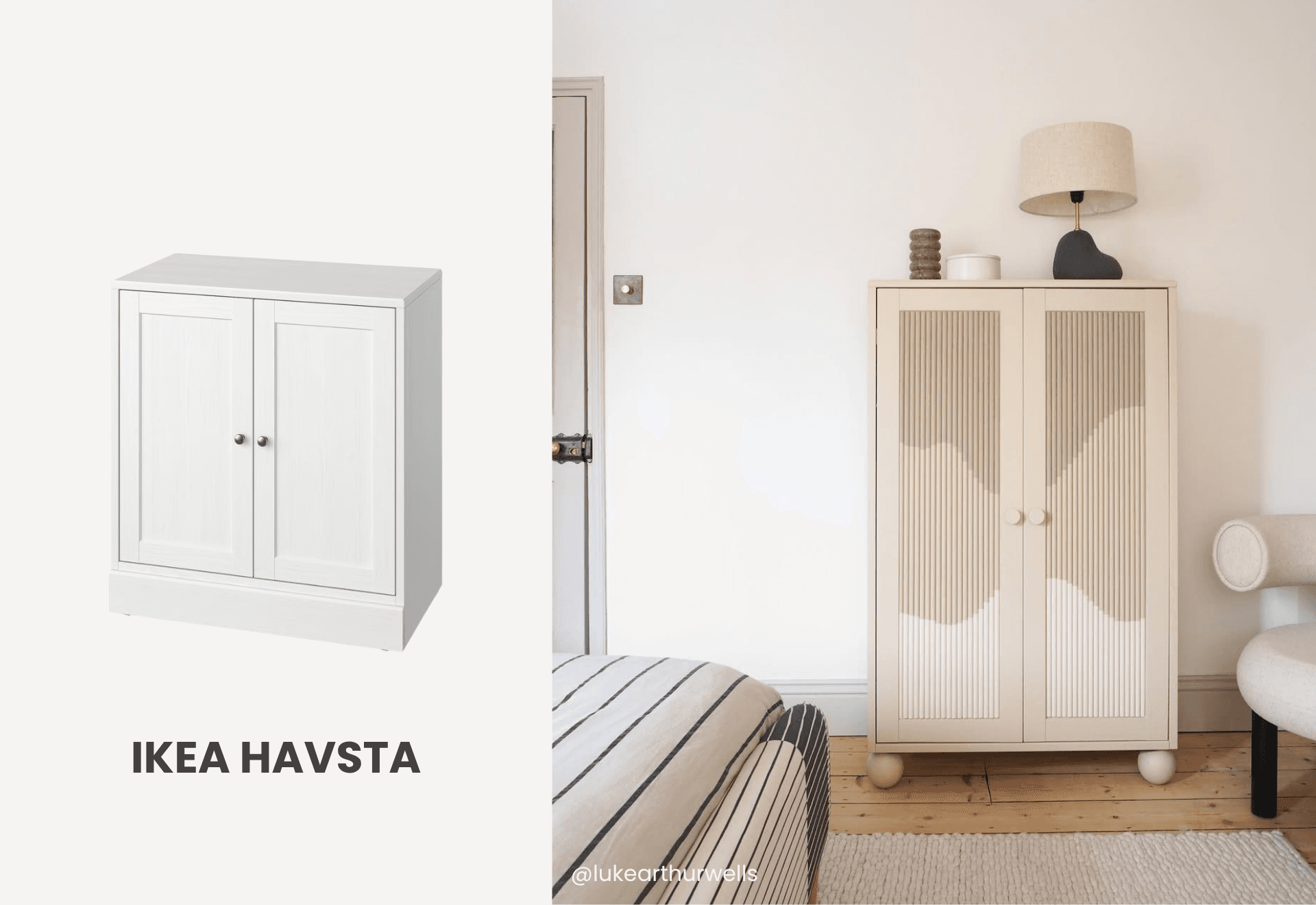
HAVSTA
IKEA HAVSTA is a popular choice for hacks that aim for a more classic and built-in look. Its framed doors and slightly more traditional design make it feel warmer and more architectural than simpler storage systems.
Changing the handles, painting the finish, or combining multiple units can completely change how HAVSTA feels in a room.
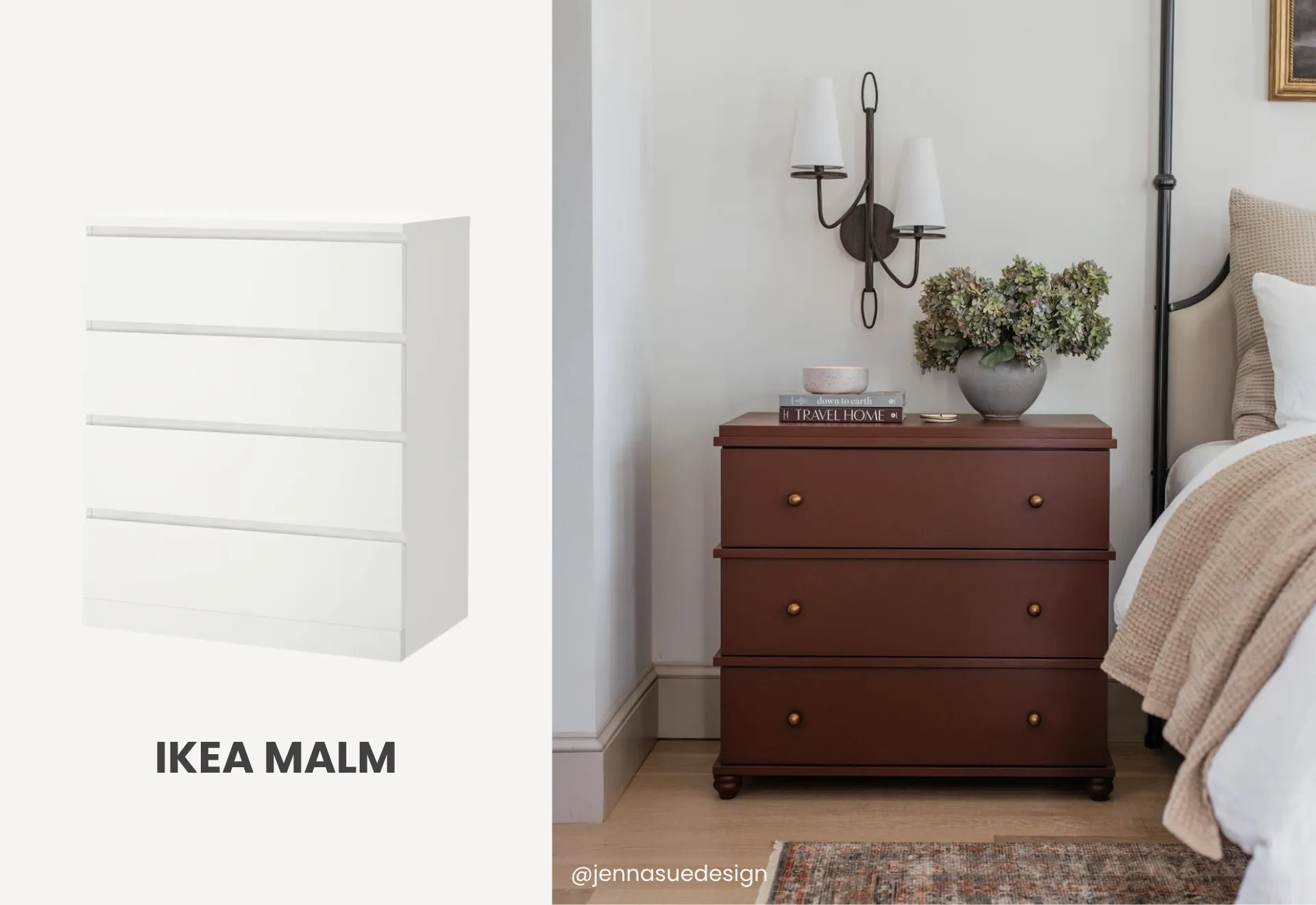
MALM dresser
IKEA MALM dresser is one of IKEA’s most recognizable designs. Its flat surfaces make it ideal for customization.
Adding legs, changing the finish, or applying panels can completely alter its appearance.
IKEA Hack Ideas by Room
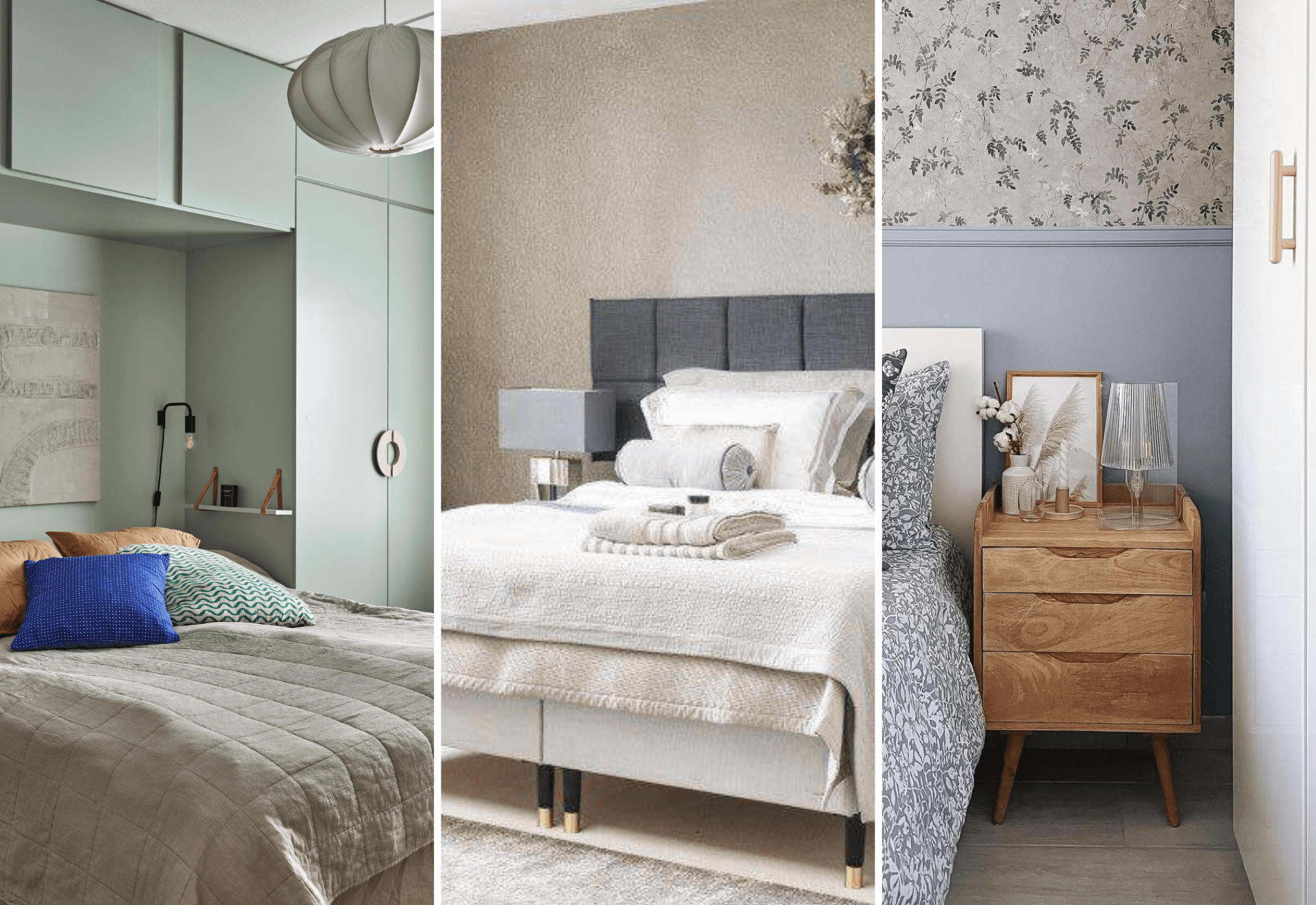
Bedroom
In the bedroom, hacks often focus on creating calmer and more integrated storage.
Wardrobes built from PAX units can look custom with the addition of trim or colour matching. Smaller pieces like dressers can feel lighter and more refined when lifted with new legs or updated with new handles.
Simple bedroom hack ideas include:
creating bedside tables from compact shelving units
adding new legs to a dresser
painting wardrobes to match the wall colour
adding decorative panels to flat doors
Looking for more bedroom IKEA hacks? Explore ideas for creating a softer and more custom look with a DIY headboard using fluted panels.
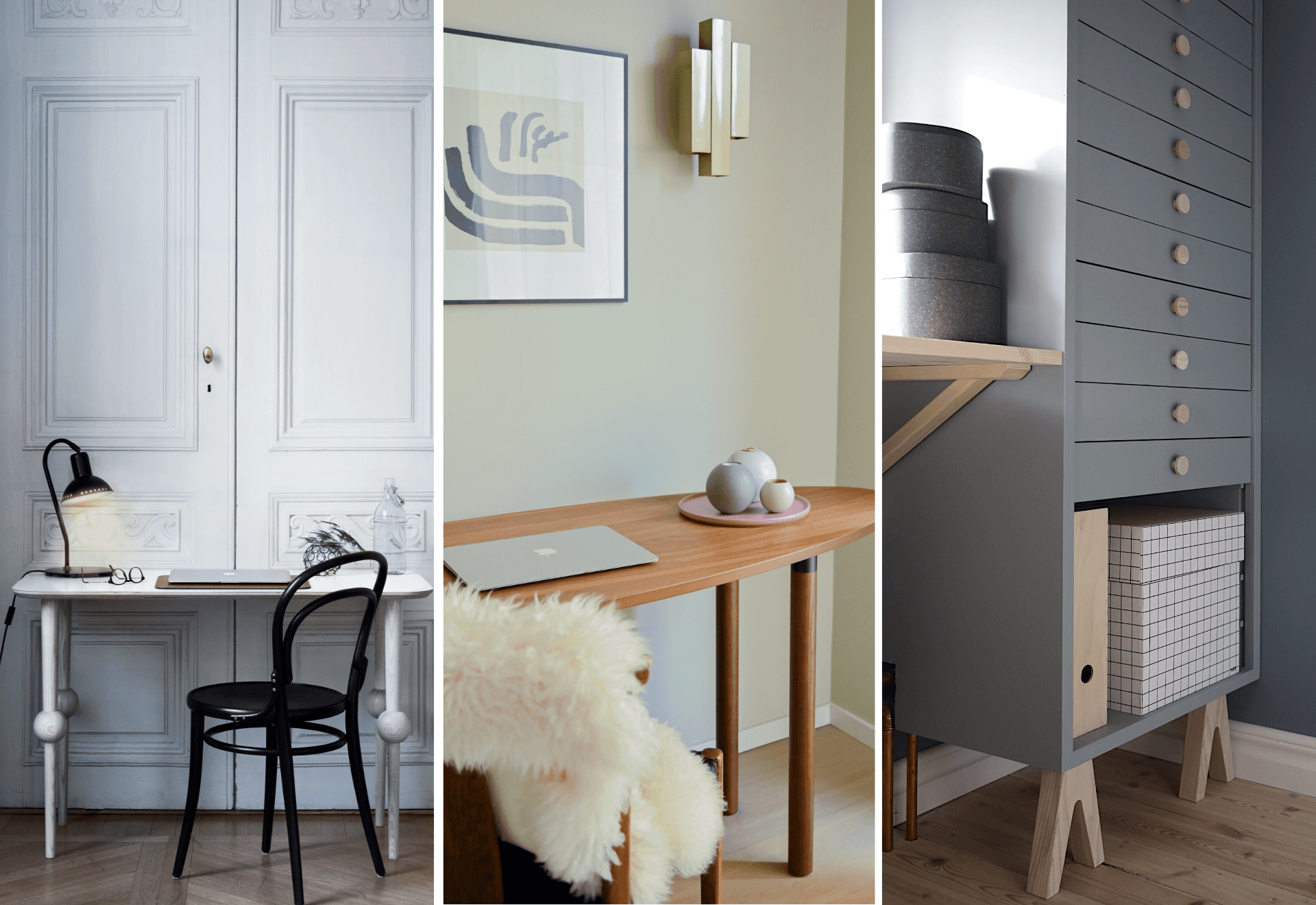
Home office
Home office hacks are often very practical. Desks need to fit the available space and work comfortably for everyday tasks.
Many people build custom desks by combining drawer units with a tabletop and then add shelves above the workspace for storage.
A well-planned setup can turn even a small corner into a productive workspace.
The combination of ALEX drawers and a tabletop is one of the most widely used solutions. It can be adapted with shelving, lighting, and storage to create a complete workstation.
Want more workspace inspiration? Discover creative home office hacks designed to make your setup feel both more practical and more inspiring.
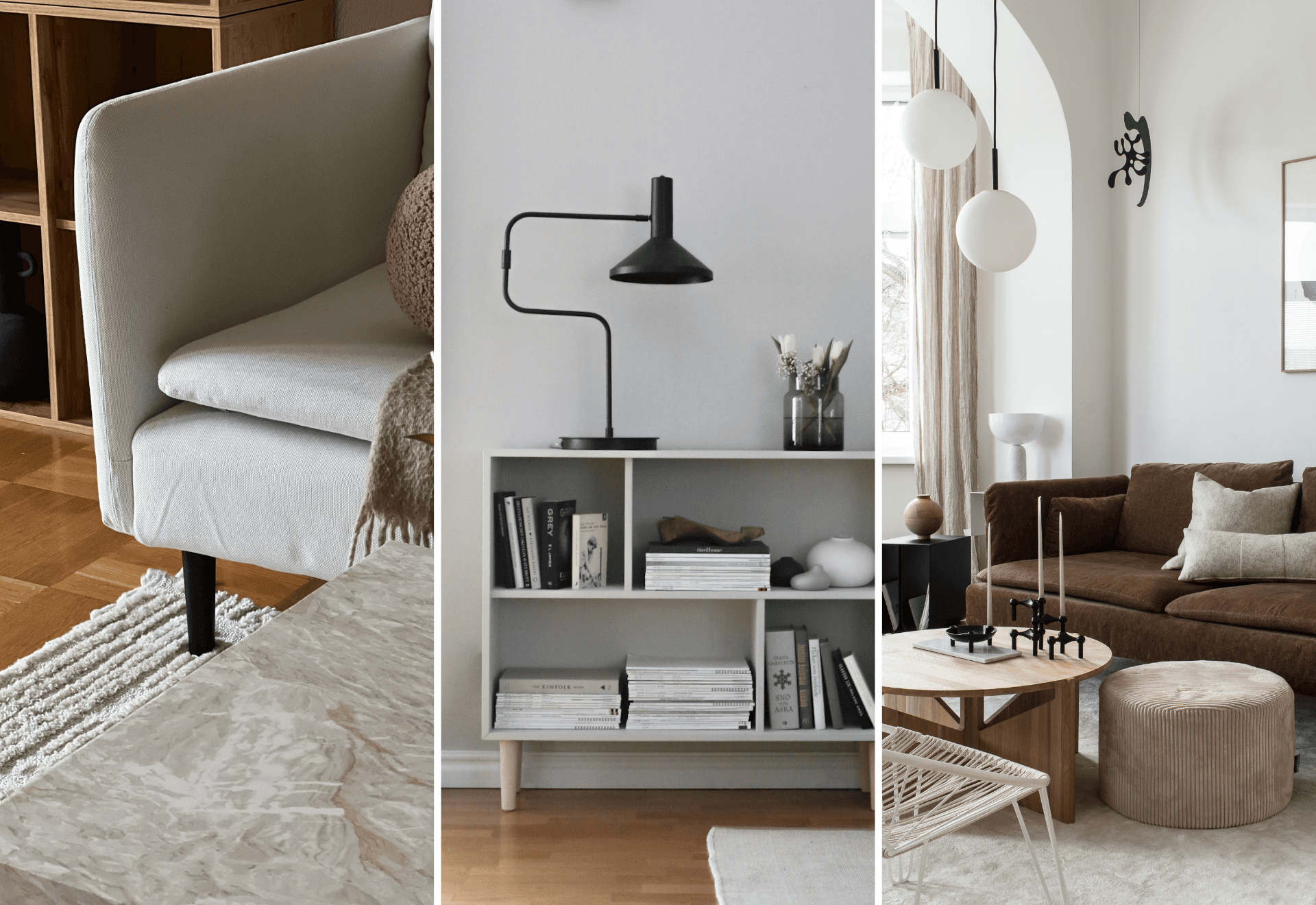
Living room
In the living room, IKEA hacks often focus on making storage look more intentional and architectural.
KALLAX or BESTA units are often used as the base for media walls, sideboards, or long storage units.
Adding legs, doors, or decorative elements can help soften the flat-pack look and make the furniture feel more designed.
Explore creative ways to decorate and personalize your sofa with pens and stylish furniture legs for an easy DIY furniture transformation.
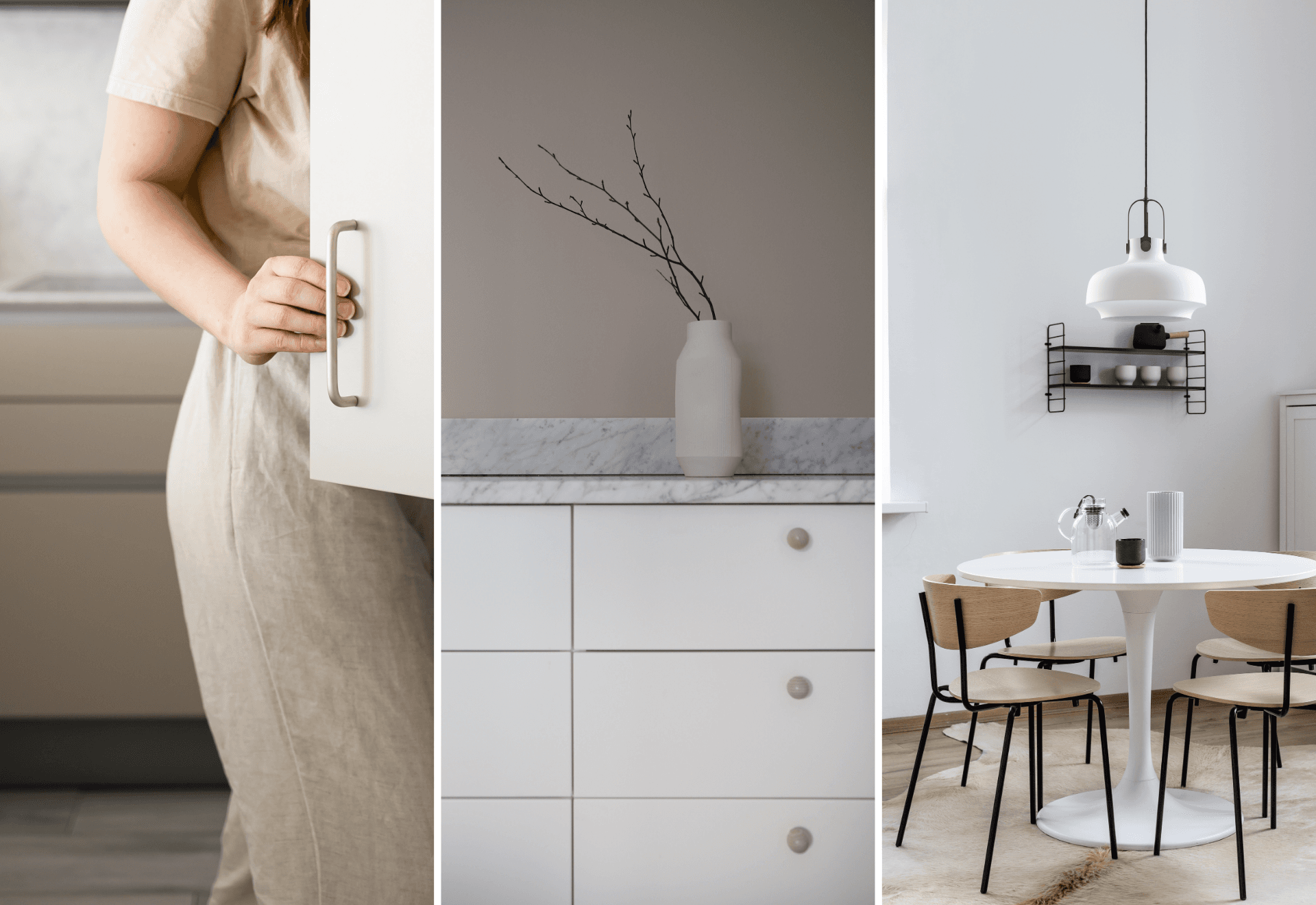
Kitchen
Kitchen hacks are often subtle but practical. Swapping cabinet handles, adding open shelving, or improving organization can make a kitchen feel more custom without major renovation.
The kitchen is where IVAR becomes particularly useful. Its flexibility makes it suitable for open shelving and modular storage.
Small updates such as painting or adding handles can significantly change how the system feels without requiring a full renovation.
Kitchen hacks can be surprisingly simple. Discover creative ways to refresh your kitchen with updated legs, knobs, and handles.
Bathroom
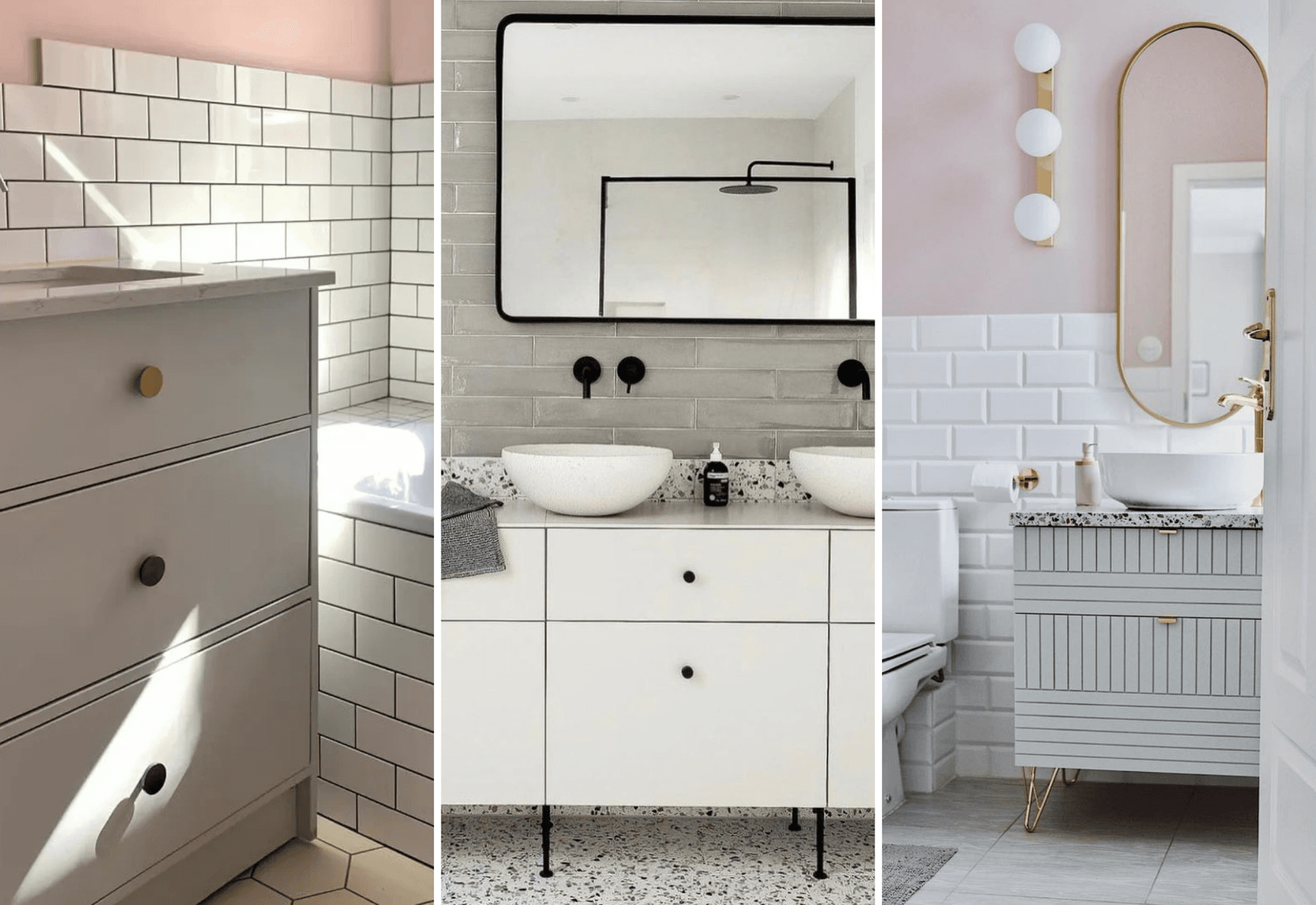
Bathrooms benefit from simple, space-efficient solutions. The IKEA RÅSKOG trolley is often used as a movable storage unit, while the IKEA GODMORGON cabinet can be upgraded with paint or hardware.
Looking for more bathroom inspiration? Explore simple transformation ideas designed to make your bathroom feel calmer, cleaner, and more organized.
How to Do an IKEA Hack Step by Step
Most IKEA furniture hacks follow a similar process, regardless of their complexity.
Choose the right base piece
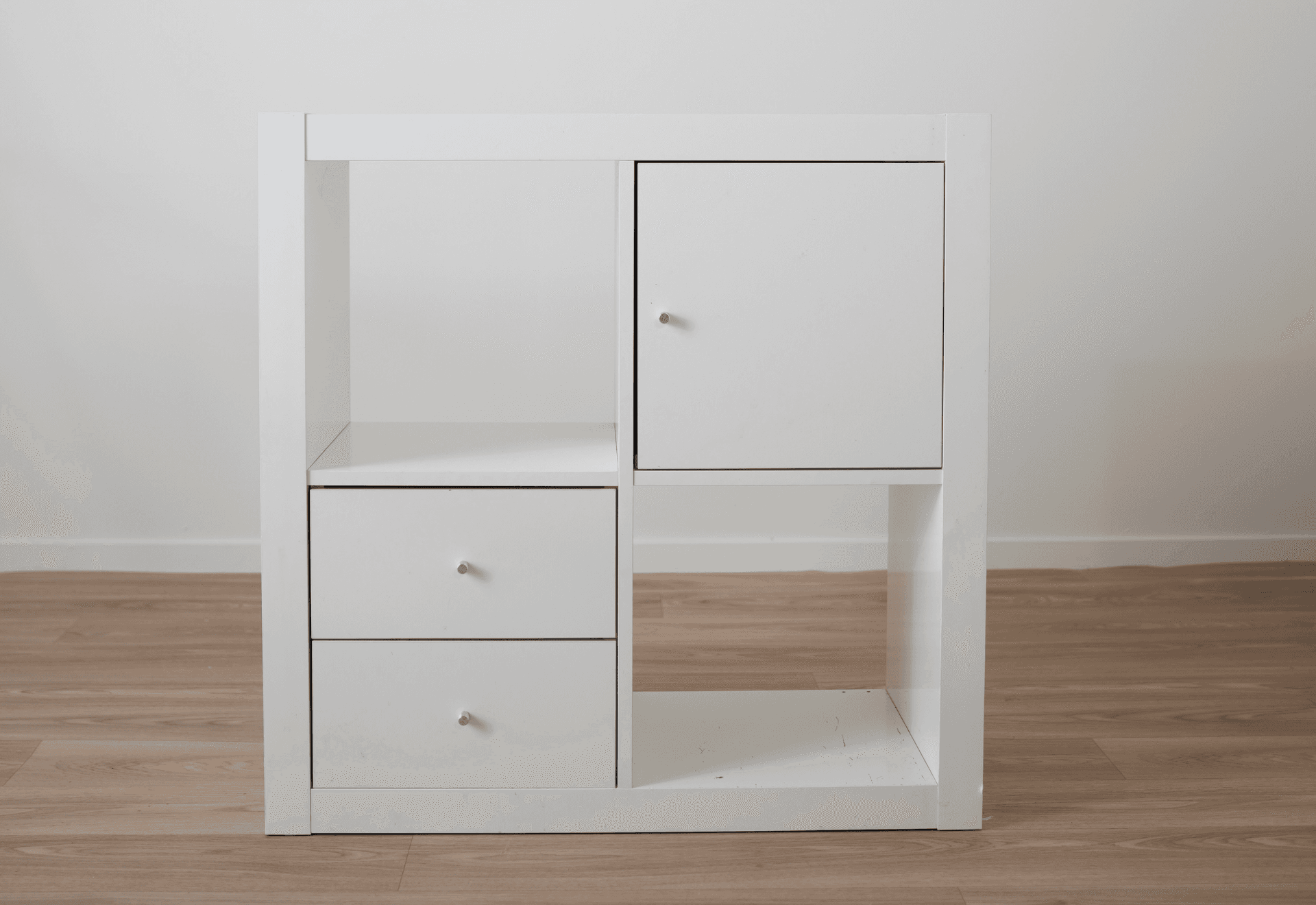
First, choose a base piece that already solves most of your needs. The hack should improve the furniture rather than completely change its purpose.
Plan your changes
Next, plan the modification. Looking at inspiration photos or sketching your idea can help clarify the final result.
Gather tools and materials
Depending on the project, this might include basic tools such as a screwdriver, drill, sandpaper, and primer, along with materials like paint or replacement hardware.
Prep, modify, and finish
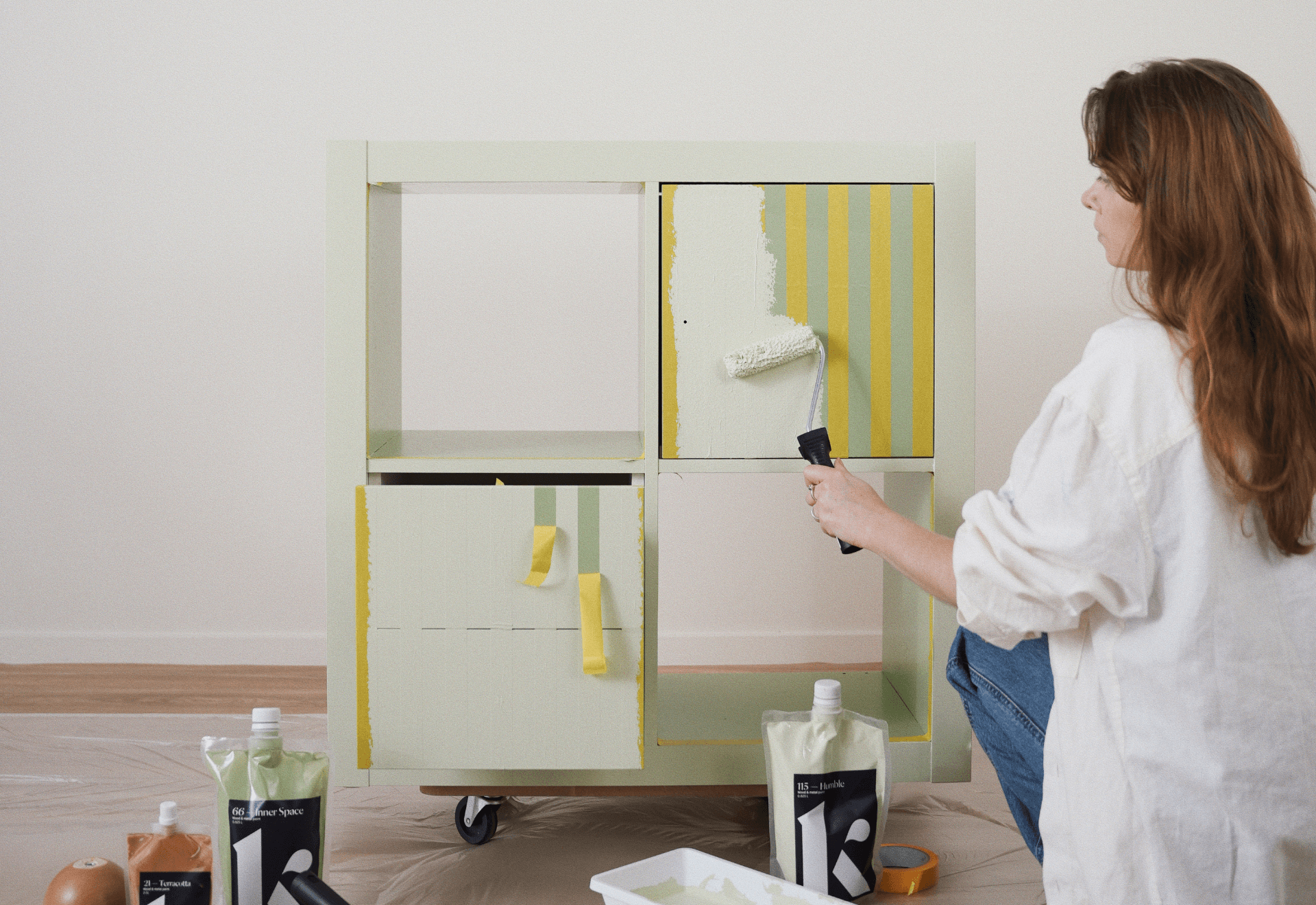
Preparation is often the most important step. Cleaning, sanding, and priming ensure that finishes last over time. Once the modification is complete, styling helps integrate the piece into the room.
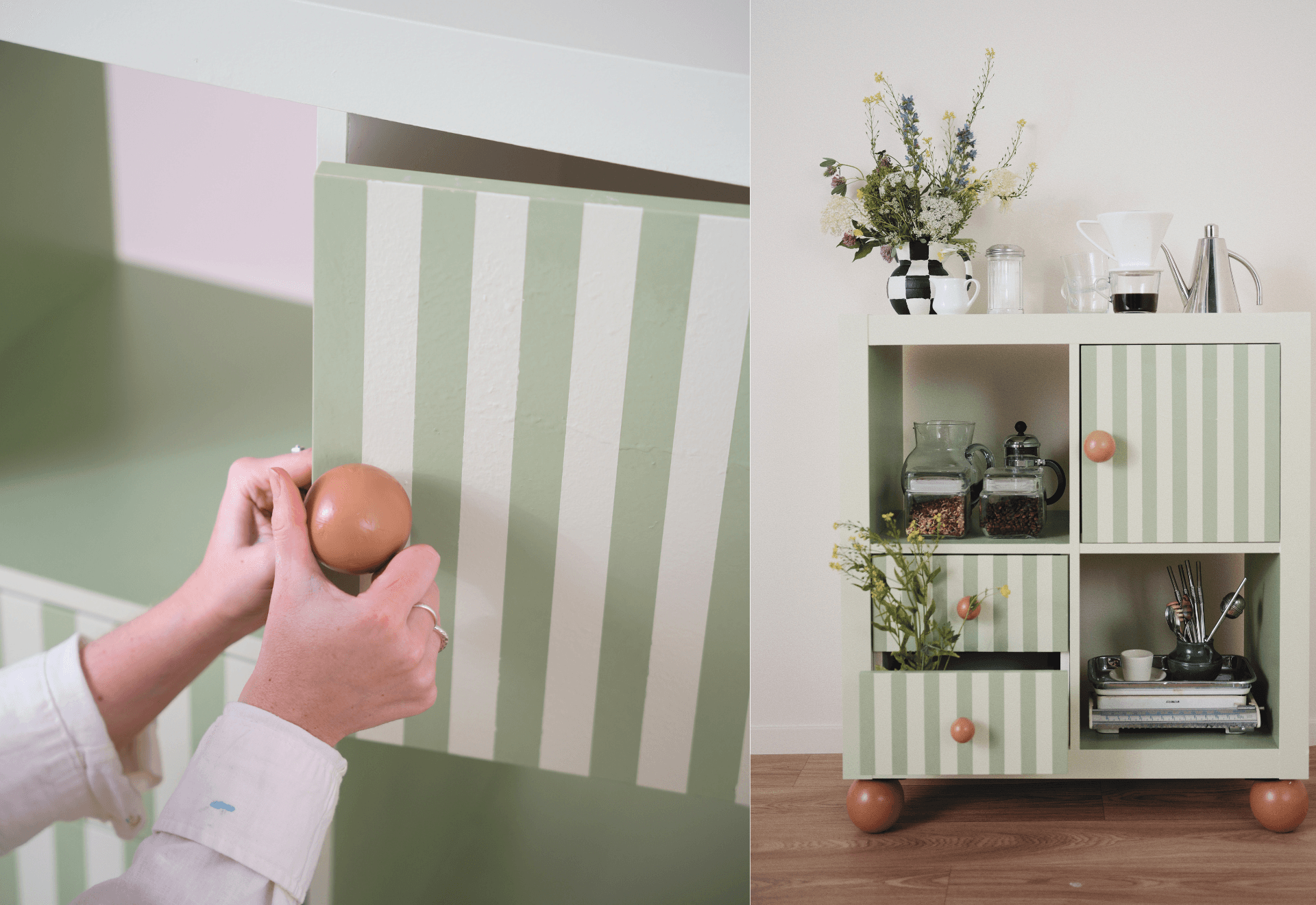
Finally, once the project is complete, style the furniture so it feels integrated into the room. Surrounding elements such as lighting, textiles, and décor often make the transformation feel finished.
IKEA Hack Tips for Beginners
If you are new to IKEA hacks, it is usually best to start small.
Swapping knobs, handles, or legs is one of the easiest ways to transform a piece. Painting a small cabinet is another beginner-friendly project that can create a surprisingly large visual change.
A few helpful tips include:
start with one simple change rather than several at once
measure carefully before ordering hardware or accessories
test finishes on hidden surfaces first
consider weight and stability before making structural changes
Many people discover that once they try one small hack, they start seeing possibilities everywhere in their home.
IKEA Hack Resources and Communities
One of the reasons IKEA hacks have grown so much over the years is the huge online community built around them. Today there are thousands of tutorials, inspiration accounts, forums, and creators sharing ideas for everything from simple hardware swaps to full built-in transformations.
For beginners, these communities are often the easiest way to understand what is possible before starting a project yourself. They also help show how flexible IKEA furniture can become once people start adapting it to fit real homes and real needs.
One of the best-known resources is IKEA Hackers, a long-running website dedicated entirely to IKEA DIY projects and modifications. The platform helped popularize the idea of IKEA hacking and remains one of the largest archives of inspiration for systems like BILLY, KALLAX, BESTÅ, IVAR, and PAX.
For more community-driven advice, many people also use r/IKEAhacks on Reddit. The forum includes before-and-after projects, troubleshooting advice, painting tips, and discussions around modifications and fittings. Because users openly share both successes and mistakes, it can be especially helpful for larger or more complicated projects.
Social platforms have also become a major part of IKEA hack culture. Pinterest remains one of the strongest platforms for saving room ideas and furniture transformations, while TikTok and Instagram have accelerated shorter and more visual DIY inspiration. Many creators now document complete furniture makeovers step by step, making IKEA hacks feel much more approachable for beginners.
Another way many people collect IKEA hack inspiration is through interior design newsletters that focus on DIY upgrades, styling ideas, and furniture transformations. The Prettypegs newsletter regularly shares IKEA hacks, room makeovers, styling inspiration, and step-by-step upgrade ideas focused on helping people refresh the furniture they already own rather than replace it. Because the projects often focus on smaller, approachable changes, it can be a useful source of inspiration for beginners looking to start with simple updates.
One interesting shift in recent years is that IKEA hacks are no longer seen only as budget DIY projects. Increasingly, they are being used as a way to create more personalized interiors and built-in solutions without the cost of fully custom furniture. Publications like Architectural Digest and WIRED have even covered how IKEA hacking evolved into a broader design movement connected to modular living and personalization.
The result is a surprisingly large ecosystem of people continuously improving, adapting, and rethinking IKEA furniture. Once you start exploring these communities, it becomes very difficult to look at a standard IKEA piece and only see the original version anymore.
Design Styles for IKEA Hacks
IKEA hacks are often used to align furniture with a specific design style.
Japandi focuses on minimalism and natural materials. Scandinavian modern emphasizes light tones and clean lines. Industrial styles introduce darker finishes and metal elements, while coastal or natural styles rely on softer textures and lighter woods.
These styles are not rigid categories but rather references that help guide decisions.
Why IKEA Hacks Are a More Sustainable Choice
At a broader level, IKEA hacks are part of a shift toward more sustainable consumption. Instead of replacing furniture, people are extending its lifespan.
This approach reduces waste and encourages a more thoughtful relationship with the objects in a home. A small upgrade can give a piece several more years of use, which makes a meaningful difference over time.
A Small Change Can Make a Big Difference
The reason IKEA hacks continue to be so popular is simple. They make it possible to create a more personal home without starting from scratch.
A standard piece becomes something that feels more considered and better suited to your space.
Some projects are big. Others are surprisingly small. But even a simple update can completely change how a piece feels in a room.
Once you start looking at furniture this way, it becomes much easier to see the potential in the pieces you already own.
FAQ: IKEA Hacks
What exactly is an IKEA hack?
An IKEA hack is any modification to an IKEA product that changes how it looks, works, or is used. That could mean repainting a cabinet, adding new legs, changing handles, or combining several units into a custom-looking solution.
Do IKEA hacks void the warranty?
IKEA says that modifications may void the warranty, especially if the change affects the structure of the product. Its help pages specifically mention things like drilling extra holes or removing parts.
What are the best IKEA items to hack?
The most popular IKEA pieces to hack are usually BILLY, KALLAX, LACK, PAX, ALEX, BESTA, and HAVSTA because they are versatile, widely available, and easy to customize in different ways.
How difficult are IKEA hacks?
They range from very easy to quite advanced. A hardware swap can take minutes, while a built-in storage wall may take a full weekend or more.
What is the easiest IKEA hack for beginners?
Changing knobs, handles, or legs is usually the easiest beginner-friendly IKEA hack. It is quick, visual, and does not require major structural changes.
Share Your Project
Tag @prettypegs to share your upgrade!
Prettypegs
We are proud to be in the forefront with a fresh design element in home decor styling – furniture feet! This grounding detail has been cast aside for too long and is now getting it's deserved attention. At Prettypegs we are passionate about details and design, and we all know that a unique accessory, like stunning jewelry or shoes will lift a personality. The same goes with furniture.